Why You Save Articles You Never Read
TL;DR
We save far more than we read because collecting feels like progress while reading takes effort. That gap breeds a quiet completion anxiety that makes the backlog harder to face. A lightweight triage system — and listening instead of reading — can turn your stockpile back into something you consume.
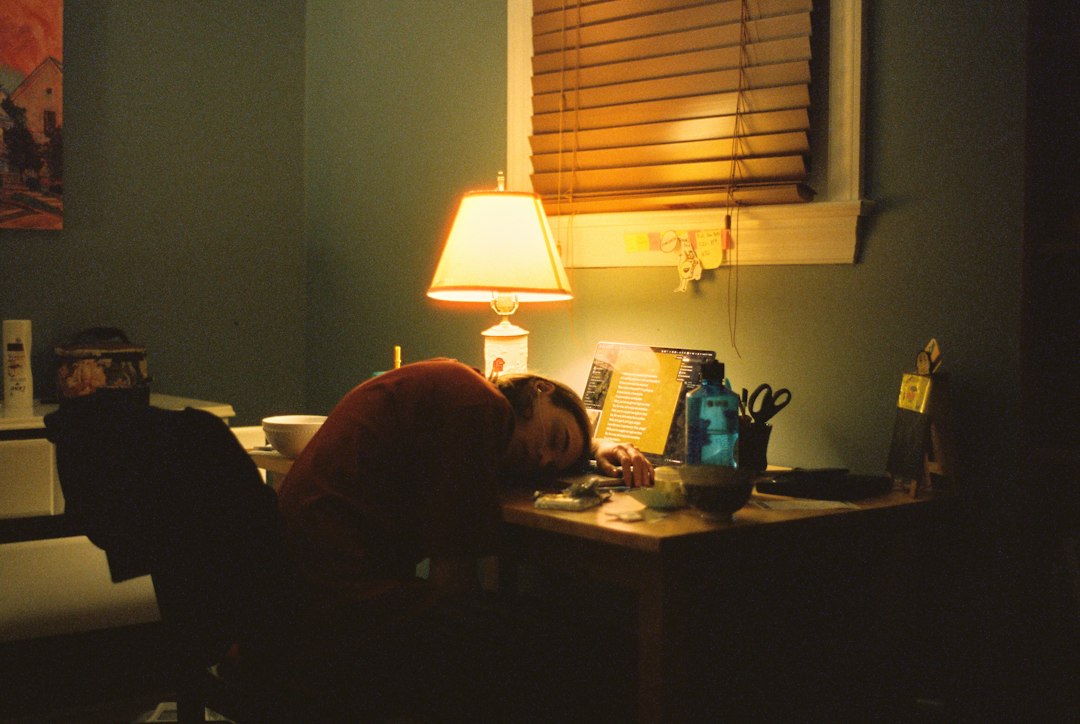
You open a tab. It looks important, maybe even life-changing. You tell yourself you'll read it later, bookmark it, and move on.
Later never comes. Instead, the tab joins hundreds of others — in your bookmarks, your read-it-later app, your "to read" folder — forming a quiet monument to good intentions. If this sounds familiar, you are not disorganized. You are human, and your brain is doing exactly what it evolved to do.
This piece unpacks why we hoard content we never consume, the low-grade anxiety that backlog creates, and the triage systems that actually dig you out.
Collecting Feels Like Progress. Reading Is Work.
The core problem is a mismatch in effort. Saving an article takes one click and delivers a small hit of relief — you've "handled" it. Reading it demands focus, time, and mental energy you may not have at that moment.
Your brain happily takes the cheap reward. Psychologists describe this as a gap between intention and action: we consistently overestimate the future self who will sit down and read 40 longreads on a quiet Sunday. That person rarely shows up.
There's also an acquisition instinct at play. Saving information feels like learning it, even though nothing has actually entered your head. The link sits in a folder, and the knowledge sits exactly where it was before — out there, not in you.
Over time, this creates what researchers call information overload: the point where the volume of available content outpaces our ability to process it. The Nielsen Norman Group has long documented how people "forage" for information much like animals forage for food — grabbing promising scraps quickly and moving on before fully consuming them (Nielsen Norman Group).
The Hidden Cost: Completion Anxiety
A backlog isn't free. Every unread item is a tiny open loop, and open loops have weight.
Psychologists have studied how unfinished tasks linger in the mind more stubbornly than completed ones — a tendency often linked to the Zeigarnik effect. Your 300 saved articles aren't neutral. They're 300 quiet reminders that you're behind.
This is where completion anxiety creeps in. The reading list stops being a helpful tool and becomes a source of guilt. Ironically, the guilt makes you less likely to open the list, because facing it means confronting everything you haven't done.
Why bigger lists make the problem worse
You might assume saving more gives you more options. In practice, abundance paralyzes. The American Psychological Association has documented how an overload of choices and decisions drains mental resources, a phenomenon popularly called decision fatigue (American Psychological Association).
When your list holds five items, picking one is easy. When it holds five hundred, every choice carries the faint weight of the 499 you didn't pick. So you pick none, close the tab, and save one more for later. The cycle feeds itself.
Triage: Treat Your Backlog Like an Emergency Room
Hospitals don't treat patients in the order they arrive. They triage — sort by urgency and likelihood of benefit — and act accordingly. Your reading list deserves the same honesty.
Here's a simple three-bucket system you can apply in ten minutes.
Bucket 1: Read now (or never)
If something has been sitting unread for more than a month, be ruthless. Would you save it again today? If not, delete it. A smaller, trusted list is worth more than a vast, guilt-inducing archive you avoid.
Bucket 2: Reference, not reading
Some things you saved not to read but to find later — a tutorial, a recipe, a spec. These don't belong in your reading queue at all. Move them to a proper reference system or a bookmark folder and stop counting them as "unread."
Bucket 3: Genuinely want to consume
What remains is your real list: things you'll actually benefit from. Keep this short. Protect it. This is the only bucket that should generate any sense of obligation, and even then, keep it light.
The goal isn't to achieve "inbox zero" for your reading. It's to make the list trustworthy again, so that opening it feels like opportunity instead of debt.
Change the Format, Not Just the List
Here's an under-appreciated truth: a lot of your backlog isn't unread because you don't care. It's unread because reading requires a specific kind of attention you rarely have free.
Reading demands your eyes, your hands, and a quiet moment. But most of your day isn't quiet-and-seated — it's commuting, cooking, walking the dog, folding laundry. During all that time, your eyes are busy but your ears are wide open.
This is why shifting formats works so well. When you can listen to the articles you saved, your backlog stops competing for scarce desk time and starts filling the gaps you already have. Audiobooks and podcasts proved this years ago; the same logic applies to the longreads rotting in your queue.
A reader-side listening tool closes the loop between saving and consuming. This is exactly the problem Omphalis is built to solve: save articles, subscribe to RSS feeds and newsletters, highlight what matters, and listen to any of it in natural voices while you go about your day. The point isn't to collect more — it's to finally hear the things you already collected.
A quick note on where listening fits
Consuming other people's content by ear is a reader-side habit. If instead you want to produce audio from your own scripts, documents, or articles — narration you publish and share — that's a different job handled by a creator tool like EchoLive and its document to audio workflow. Keep the two straight: one helps you listen to what you've saved, the other helps you make audio for others.
Build Habits That Prevent Re-Hoarding
Clearing the backlog once is satisfying. Keeping it clear is the real win, and that takes a few small guardrails.
Add friction to saving. Before you save anything, ask one question: "When, specifically, will I consume this?" If you can't name a realistic moment, don't save it. The act of pausing filters out most impulse-saves.
Set a consumption ritual. Attach your list to something you already do daily — your morning coffee, your commute, your evening walk. Formats help here: listening to two saved pieces on a walk is far more sustainable than vowing to read for an hour after work.
Review weekly, delete freely. Treat deletion as a feature, not a failure. Letting go of an article you'll never read is reclaiming attention, not losing information. The internet will still be there if you ever truly need it.
Measure consumed, not collected. Flip your metric. A good week isn't one where you saved 30 articles — it's one where you finished five. Progress is what enters your mind, not what sits in a folder.
These habits won't make you consume everything. Nothing will, and that's fine. The aim is a reading life that feels like a resource instead of a reckoning.
The Takeaway
Saving articles you never read isn't a character flaw — it's the predictable result of a brain that rewards collecting over consuming, amplified by tools that make hoarding effortless. The cost is a quiet completion anxiety that keeps growing until the list becomes untouchable.
Triage ruthlessly, protect a short real list, and change the format so listening can fill the gaps reading never will. If you want your backlog to finally become something you consume instead of something you dread, Omphalis lets you save, organize, and listen to it all in one place — turning a guilt pile back into a genuinely useful reading life.