Voice Selection Guide for Narration Projects
TL;DR
Great narration starts with matching voice timbre, pace, and energy to your project's tone — not just picking a voice that sounds nice. This guide walks you through a repeatable framework for casting the right voice for audiobooks, courses, explainers, and more.
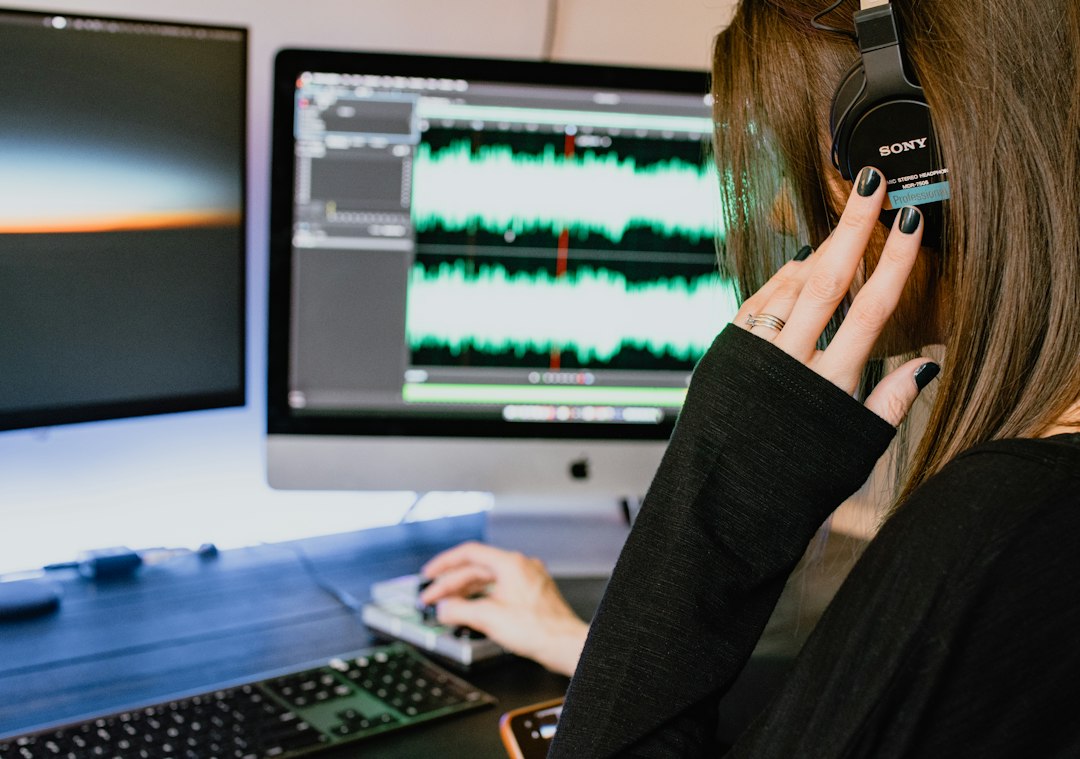
You found a voice you love. It sounds warm, clear, professional. So you narrate your whole project with it — and something feels off.
The problem usually isn't the voice. It's the fit. A voice that shines in a meditation app can fall flat in a product explainer, and a crisp corporate narrator can drain the warmth out of a children's story. Casting a voice is less about "good" or "bad" and more about alignment with tone, audience, and pacing.
In this guide, you'll learn a practical framework for choosing narration voices: how to read a project's tone, how timbre and energy shape perception, and how to test your choice before you commit hours of production.
Start With the Project, Not the Voice
Before you preview a single voice, define what the audio has to do. A good voice serves the content's job, and that job changes dramatically from one format to the next.
Ask three questions. What is the listener trying to accomplish — relax, learn, decide, or be entertained? What emotional register does the content live in — authoritative, playful, intimate, urgent? And how long will they listen in one sitting?
That last question matters more than people expect. Research on cognitive load suggests that extraneous demands on attention degrade comprehension and retention, which is why a fatiguing voice costs you on long-form content (Cognitive Load Theory, Sweller et al., via the U.S. National Library of Medicine). A voice with a slightly harsh edge is survivable for a 60-second ad. Across a three-hour audiobook, it's exhausting.
Write a one-line "voice brief" before you start: "Calm, credible, mid-pace female voice for a 20-minute onboarding course aimed at new managers." That single sentence will filter hundreds of options down to a handful.
Decode the Three Levers: Timbre, Pace, Energy
Every narration decision comes down to three adjustable qualities. Learn to hear them separately and you'll cast faster.
Timbre: the character of the sound
Timbre is the texture of a voice — warm or bright, breathy or resonant, smooth or gravelly. It communicates personality before a single word registers. Listeners form impressions of warmth and competence from vocal qualities almost instantly, a snap judgment that shapes trust before the content of the sentence even lands.
A deep, resonant timbre reads as authoritative and reassuring — good for finance, health, or serious documentary. A brighter, lighter timbre reads as friendly and energetic — good for consumer apps, kids' content, and upbeat marketing.
Pace: how fast the words move
Pace sets comprehension and mood. Slower pacing gives listeners room to absorb complex ideas and feels calmer; faster pacing builds energy and urgency but taxes attention. For instructional content, lean slower. For a hype reel, lean faster.
Energy: how much the voice "leans in"
Energy is the performance intensity — the difference between a narrator reading to you and one talking with you. High-energy voices suit ads, trailers, and motivational content. Low, even energy suits sleep stories, luxury brands, and anything meant to soothe.
Match Voice to Project Type
Here's how the three levers combine across common narration jobs. Treat these as starting points, then adjust to your specific brand.
Audiobooks and long-form fiction. Prioritize a timbre you can tolerate for hours — smooth, warm, low fatigue. Keep energy moderate so emotional peaks have somewhere to go. For nonfiction, a credible mid-pace narrator beats a dramatic one.
E-learning and course narration. Clarity wins. Choose a neutral, friendly timbre, a deliberate pace, and steady energy that won't distract from the material. If you're producing training modules, a course content audio template gives you a consistent structure to cast against.
Explainers and product demos. Go brighter and slightly faster. You want approachable confidence — energetic enough to hold attention, grounded enough to feel trustworthy.
Meditation, sleep, and wellness. Low energy, slow pace, breathy warm timbre. This is the one category where "almost too slow" is usually right.
Podcasts and conversational audio. Natural, varied delivery beats polished perfection. If you're producing a multi-voice show, casting contrasting timbres helps listeners track who's speaking. EchoLive's Conversational Audio feature can turn an article, URL, or PDF into a two-host dialogue, so pairing complementary voices becomes part of the creative decision rather than an afterthought.
Test Before You Commit
The single biggest mistake in voice casting is auditioning with the wrong script. A voice reading "Hello, this is a sample" tells you almost nothing about how it handles your content.
Always preview with a representative passage — ideally your hardest paragraph. Include the tricky proper nouns, the long technical sentence, the emotional beat. If a voice stumbles on your real material, you've saved yourself a re-record.
Preview two or three finalists side by side on the same passage. A/B comparison reveals differences your ear misses in isolation. Pay attention to how each voice handles punctuation, emphasis, and transitions — the places where narration usually breaks down.
With EchoLive, you can audition from a catalog of 650+ neural voices, favorite your shortlist, and set per-project defaults so your casting choice carries across a whole project. The Playground is built for exactly this kind of fast, low-stakes comparison before you move into full production. And because you can preview with your own text, you're testing fit — not a canned demo line.
Don't forget consistency
If your project spans multiple episodes, modules, or chapters, lock your voice and settings early. Switching timbre mid-series is jarring and undermines the brand you're building. Save a preset and reuse it.
Fine-Tune With Pacing and Emphasis
Casting is step one. The last mile is shaping delivery so the voice performs rather than just reads.
Small adjustments make a disproportionate difference: a pause before a key point, slowing down for a definition, a touch of emphasis on the word that carries the sentence. These are the cues a human narrator adds instinctively, and you can reproduce them deliberately.
This is where SSML earns its keep. Using breaks, prosody, and emphasis, you can guide a neural voice to land exactly the way your brief intended. EchoLive's visual SSML tools let you build these cues without hand-writing markup — or you can write SSML directly if you prefer. Segment-based editing means you can give one section a slower, weightier read and another a brighter lift, all within the same project.
The goal isn't to over-direct. It's to remove the two or three awkward moments that would otherwise pull a listener out of the experience.
Bringing It Together
Voice selection is a casting decision, not a cosmetic one. Define the project's job first, listen for timbre, pace, and energy as separate levers, match them to your format, and always audition with your real script before committing.
Do that, and your narration stops sounding "pretty good" and starts sounding right — aligned to tone, comfortable to listen to, and true to your brand.
When you're ready to cast and produce, EchoLive gives you the full voice catalog, side-by-side previews, and a studio editor to shape every segment. Start in the Playground, preview with your own words, and find the voice your project was waiting for.